 ≡
≡Secret tunnels beneath Lisbon
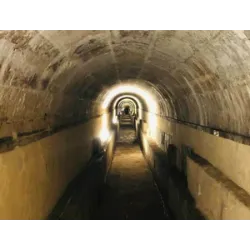
Lisbon is not just built above ground. Over more than two thousand years, different civilizations have constructed underground structures that remain hidden to this day.
Origin of the tunnels
Romans: drainage galleries, aqueducts, and sewers.
Islamic period: passages used for escape and supply.
Middle Ages: corridors under convents, churches, and palaces.
Purpose
Escape routes during sieges and invasions
Discreet transport of people, weapons, and supplies
Secure communication between strategic buildings
Shelter during conflicts
Impact of the 1755 earthquake
Many tunnels collapsed or were buried
Pombaline reconstruction built the city over older structures
Original maps were lost, preventing complete mapping
Documented tunnels
Galleries of the Aqueduto das Águas Livres
Roman cryptoporticos in Baixa
Subterranean passages under former convents
The mysterious side
Reports of connections between the Castle and the Tagus River
Tunnels between palaces and military areas
Structures not yet officially cataloged
Why almost no one talks about it
Urban safety risks
Archaeological complexity
Simplified tourist narrative