 ≡
≡The Paschal Lamb
The Lamb in Easter
The figure of the lamb plays a central role in Easter in both traditions: Judaism and Christianity.
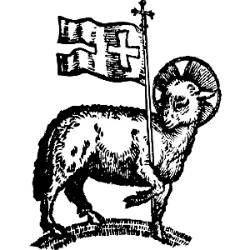
The Lamb in the Old Testament
During the first Hebrew Passover:
A spotless lamb was sacrificed
Its blood was used to mark the doorposts of the houses
This sign protected families from the tenth plague: the death of the firstborn in Egypt
This act symbolized:
Divine protection
The beginning of liberation from slavery
A milestone still remembered today in Passover (Pessach)
Jesus as the Lamb of God
In the New Testament:
John the Baptist identifies Jesus as the “Lamb of God who takes away the sin of the world”
The comparison refers to the Passover lamb, now with a spiritual meaning
Jesus offers Himself as a voluntary sacrifice for the salvation of humanity
His death on the cross:
Replaces the old animal sacrifices
Offers definitive redemption
Connection Between the Old and New Covenant
The symbolism of the lamb establishes:
The link between God’s old covenant with Israel and the new covenant in Christ
Jesus as the true Passover Lamb, whose sacrifice brings:
Eternal life
Reconciliation with God
Sacrificial love that redefines the meaning of Easter