 ≡
≡The Origin of the Conditions for Life
The emergence of life did not happen all at once. Over millions of years, several events transformed the Earth and created the necessary conditions for the first living beings.
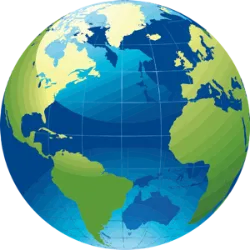
Formation of planet Earth:
Earth formed after collisions with bodies from the Solar System.
These impacts helped shape the primitive planet.
At first, the environment was extremely hot and unstable.
Formation of the crust, continents, and oceans:
As the planet cooled:
a solid crust formed.
continents began to develop.
oceans came into existence.
This created environments where life could develop.
Formation of the atmosphere:
Earth developed an atmosphere:
rich in gases.
capable of producing a natural greenhouse effect.
This helped maintain temperatures suitable for liquid water to exist.
Tectonic plates and volcanic activity:
The planet continued changing through:
movement of tectonic plates.
intense volcanic activity.
These processes changed the landscape and released important substances into the environment.
Atmospheric electrical phenomena:
Storms and electrical discharges:
helped trigger primitive chemical reactions.
favored the formation of important molecules.
Formation of the first molecules:
Over time, there appeared:
simple organic molecules.
more complex macromolecules.
These substances were essential for the emergence of life.
First primitive cells:
With time:
simple life forms appeared.
the first primitive cells emerged.
This was one of the most important steps in Earth’s history.
Photosynthesis and oxygen:
Some organisms began to perform photosynthesis:
they produced oxygen.
they transformed Earth’s atmosphere.
This allowed more complex forms of life to develop.
Formation of the ozone layer:
With more oxygen:
the ozone layer formed.
it began protecting Earth from intense solar radiation.
Super ice ages and new environments:
Major ice ages:
changed the planet.
created new environments and ecosystems.
This encouraged new adaptations among living beings.