 ≡
≡
quiz
Italian GastronomyProve your knowledge in the Arena
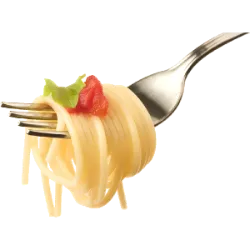
World Pasta Day is celebrated annually on October 25 , established in 1998 by the International Pasta Organization (IPO). The day celebrates the importance of pasta in a healthy and balanced diet, highlighting its role as an essential source of complex carbohydrates, vitamin B and magnesium, nutrients that provide energy and improve physical performance. Pasta is essential in the Mediterranean Diet and is especially beneficial for athletes, helping to maintain energy levels during physical activity. Around the world, the day is marked by events, workshops and festivals that celebrate the versatility and cultural importance of pasta.
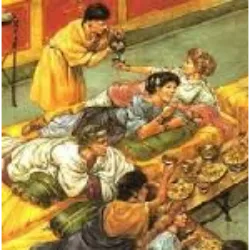
Italian Gastronomy has ancient roots, influenced by the Romans and enriched in the Middle Ages with Arabic elements. In the Renaissance, it achieved the status of art, especially among the nobles. The discovery of the New World introduced crucial ingredients, like tomatoes, to iconic dishes. Before the unification of Italy, each region had its own unique cuisine. Pellegrino Artusi unified regional recipes into "La Scienza in Cucina e L'arte di Mangiar Bene" after unification. In the 20th century, Italian cuisine became international, with pasta and pizza becoming globally popular. The emphasis on fresh, quality ingredients is distinctive in Italian cuisine.













Discover some interesting facts about Italian Gastronomy
Ravioli have origins on the Island of Sicily
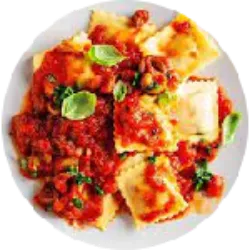
Ravioli have origins on the Island of Sicily, the word being derived from the Latin "graviolo", meaning full or heavy. The earliest mention occurred in the 14th century in the writings of Francesco di Marco Datini. Initially, they were simple pasta, without fillings, used in soups. In the 12th/13th century, they began to add fillings, such as eggs, cheese and herbs. Over time, fillings evolved, and ravioli took on different shapes and sizes. Today, they are enjoyed globally, filled with a variety of ingredients.
Pizza, a precursor to ancient Egyptian, Greek and Roman culinary traditions
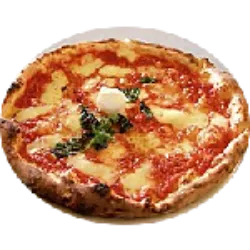
Pizza, a precursor to ancient Egyptian, Greek and Roman culinary traditions, gained its characteristic shape in Naples, Italy, around 1600. Originally folded in half, resembling a sandwich, it was served by street vendors with affordable ingredients. In the 19th century, in 1889, pizza maker Raffaele Espósito paid homage to Queen Margherita and King Humberto I, creating a pizza with the colors of the Italian flag, naming it Margherita. Pizza is a preparation that consists of a disc of fermented wheat flour dough, covered with tomato sauce and various ingredients.
Bistecca alla Fiorentina is a typical meat dish from Tuscany, Italy
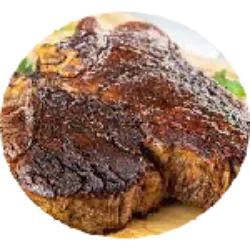
Bistecca alla Fiorentina is a typical meat dish from Tuscany, Italy, made with a cut that includes sirloin and beef tenderloin, generally of the Chianina breed, aged 10 to 15 months. This fillet, traditionally celebrated during the feast of Saint Lawrence in Florence, was appreciated by English travelers who called it "beaf-steak", giving rise to the Italian name bistecca.
The meat is grilled over charcoal embers and seasoned with olive oil , pepper and herbs. It is accompanied by Chianti wine, lemon slices and Tuscan beans.
Olives with Ascolano are a gastronomic specialty from the Ascoli Piceno region
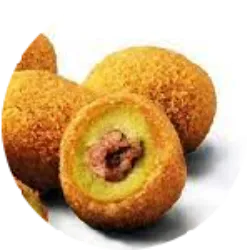
Olives with Ascolano are a gastronomic specialty from the Ascoli Piceno region, in Italy. They are made with green olives in brine, stuffed with a mixture of minced and fried meats. They are often accompanied by meat, fish, fried vegetables or other fried dishes, known as "fritto misto". The recipe dates back to the 19th century, around 1800, when cooks serving noble families had access to a variety of meats due to increased taxes on local peasants.
Struffoli
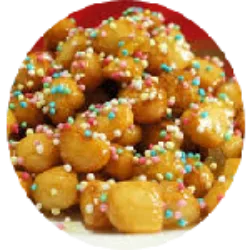
Struffoli is a Neapolitan dessert made up of small fried balls of dough covered in honey. The origin of struffoli dates back to Ancient Greece, with the name "strongoulos" meaning "rounded in shape." Another possible origin is the Italian word "strofinare" (to rub), related to the gesture of rubbing the dough to shape it before cutting it.
HOME