 ≡
≡Viral Aesthetics vs. Personal Identity
In recent years, fashion has been guided less by runways and more by social media
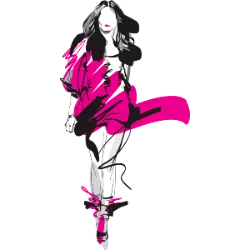
The result is the rise of so-called viral aesthetics — ready-made styles with names, rules, and visuals designed to perform well online.
Experts suggest this phenomenon helps explain why many people feel they “have no style,” even though they constantly consume fashion. Viral aesthetics offer quick belonging, but they rarely reflect the personal identity of those who adopt them.
Behavioral studies show that the human brain seeks social acceptance. Following a popular aesthetic reduces the risk of rejection, but it creates a side effect: the loss of individual expression in the way we dress.
Another key factor is speed. Viral aesthetics last only weeks. When they fade, they leave behind full closets and the feeling of having nothing to wear. Personal identity, on the other hand, is built through the conscious repetition of choices that make sense over time.
How to balance trends and identity
Use trends as inspiration, not rules
Notice which pieces stay in your wardrobe
Prioritize comfort, routine, and personal values
Avoid buying only for online visual impact
Fashion has always reflected human behavior. What has changed is not the tension between individuality and collectivity — but the speed at which it happens.