 ≡
≡
quiz
Live FashionProve your knowledge in the Arena
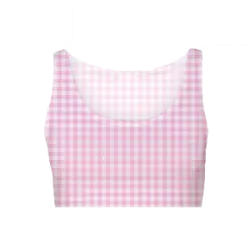
Many people think that the cropped top is a modern trend, but the history of this garment goes back more than 2,000 years.
Origin: The Choli
• In India and parts of the Middle East, women wore a garment called the choli, which is very similar to today’s cropped top.
• The choli is a short blouse that covers the bust while leaving the abdomen exposed, providing freedom of movement and thermal comfort.
• It was traditionally worn with a sari in India or with other traditional garments in Middle Eastern regions.
Function and Meaning
• Beyond aesthetics, the choli was adapted to the hot climate, allowing ventilation and comfort.
• It also had cultural and social significance, being part of outfits that indicated status, age, region, or occasion (festivities, ceremonies, daily life).
The Connection to the Modern Cropped Top • Today, the cropped top is a global fashion trend, associated with youth style, freedom, and sensuality.
• Interestingly, although it seems new, it is merely a contemporary reinterpretation of a millennia-old garment.
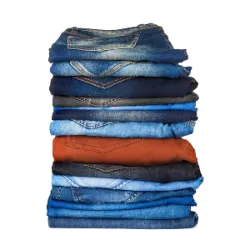
Jeans are much more than a piece of clothing; they are a cultural and social icon, spanning decades as a symbol of style, freedom, and rebellion.
Origin
- Created by Levi Strauss in 1873 for workers and miners.
- Made of durable denim reinforced with rivets, ideal for heavy labor.
Rebellion in the 1950s
- Became a symbol of youth rebellion in the USA.
- Popularized by James Dean and Marlon Brando.
- Banned in some schools for challenging social norms.
Expansion and Fashion
- Adopted by cultural movements: hippies, punks, and rockers.
- Introduced washes, rips, and customizations, turning jeans into urban fashion.
Jeans Today
- Versatile, worn by all ages and styles.
- New trends include sustainability and denim innovation.
- Maintains its status as a cultural icon, symbol of freedom, attitude, and individuality.
From workwear to a global fashion staple, jeans connect tradition and modernity, showing that a durable garment can become a cultural heritage.













Discover some interesting facts about Live Fashion
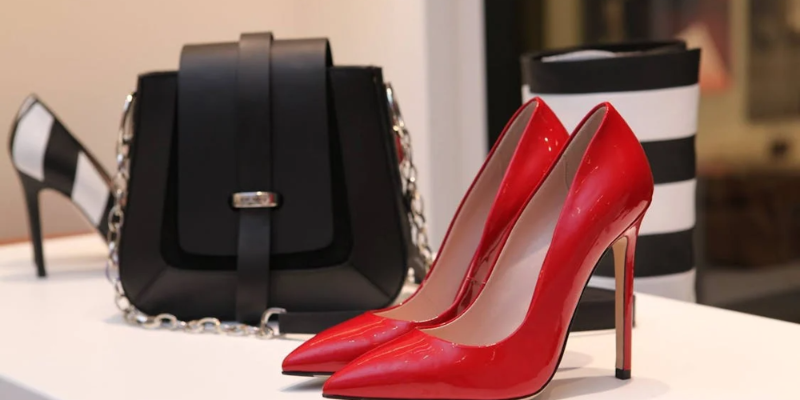
The Secret of High Heels
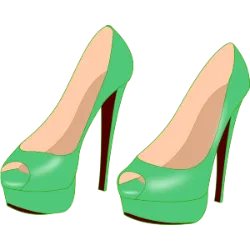
Did you know that high heels were not created for women?
Surprisingly, they started as a male tool!
17th Century:
European kings and knights wore high heels to ride horses securely. The heel kept the foot in the stirrup, preventing slips during horseback riding.
Status Symbol:
The higher the heel, the greater the prestige.
Louis XIV, the “Sun King,” loved tall red heels, showing wealth and power.
From Functional to Fashion:
Only centuries later did heels become associated with women’s fashion.
Women wore heels to elongate the silhouette and convey elegance.
Diversity of Styles:
Today there are stiletto, block, wedge, platform, and even unisex heels, but the practical male origin is almost forgotten.
The Sound of Power:
Just as European nobles announced their presence with the “click-clack” of heels, today they still convey confidence, attitude, and presence.
💡 Fun Fact: High heels are more than fashion; they are history, status, and silent communication. Every step carries centuries of tradition!
The History of the Zipper
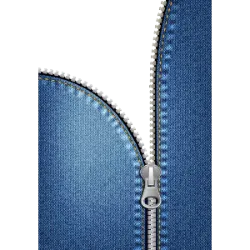
Today, the zipper is one of the most widely used fasteners in the world, but it wasn’t always that way. For decades, it was rejected by the fashion industry.
Why was the zipper considered “crude”?
When it first appeared in the late 19th century, the zipper looked too industrial.
At the time, elegant clothing relied on buttons, ties, and laces, which were seen as more refined. The zipper’s metal mechanism was associated with machines, not fashion.
Resistance in fashion
- Designers thought the zipper was ugly
- Seamstresses distrusted its durability
- The public saw the fastener as unsophisticated
As a result, its use remained limited for many years.
The turning point with the military industry
During World War I, everything changed.
The army needed clothing that was quick to put on, durable, and practical. The zipper proved perfect for:
- Uniforms
- Boots
- Military jackets
Efficiency overcame prejudice.
Definitive popularization
- After the war, soldiers brought the habit into civilian life.
- Gradually, the zipper entered everyday fashion and became indispensable.
Final curiosity
The French word “éclair” means lightning, referring to the speed of the fastener.
The History of Stock Exchanges
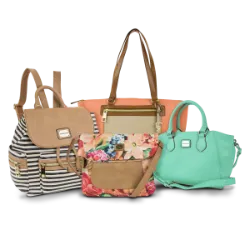
Today, handbags are strongly associated with women’s fashion, but their origin is entirely male.
How did handbags originate?
In the Middle Ages, clothes did not have pockets.
Because of this, men needed an external accessory to carry essential items.
Who used them?
Merchants
Artisans
Travelers
Nobles
They wore bags attached to the belt, known as pouches, to carry:
Money
Tools
Documents
Personal items
Function before fashion
Handbags were functional, not aesthetic.
They indicated work, social status, and professional activity.
When did it become a women’s accessory?
From the 17th and 18th centuries onward, women’s fashion began to incorporate handbags as a style element.
Over time, the accessory was redesigned, gained delicate fabrics, and became associated with women.
Final curiosity
What we now call a women’s handbag was born out of male necessity.
Fashion only changed the audience — not the function.
Viral Aesthetics vs. Personal Identity
In recent years, fashion has been guided less by runways and more by social media. The result is the rise of so-called viral aesthetics — ready-made styles with names, rules, and visuals designed to perform well online.
Experts suggest this phenomenon helps explain why many people feel they “have no style,” even though they constantly consume fashion. Viral aesthetics offer quick belonging, but they rarely reflect the personal identity of those who adopt them.
Behavioral studies show that the human brain seeks social acceptance. Following a popular aesthetic reduces the risk of rejection, but it creates a side effect: the loss of individual expression in the way we dress.
Another key factor is speed. Viral aesthetics last only weeks. When they fade, they leave behind full closets and the feeling of having nothing to wear. Personal identity, on the other hand, is built through the conscious repetition of choices that make sense over time.
How to balance trends and identity
Use trends as inspiration, not rules
Notice which pieces stay in your wardrobe
Prioritize comfort, routine, and personal values
Avoid buying only for online visual impact
Fashion has always reflected human behavior. What has changed is not the tension between individuality and collectivity — but the speed at which it happens.
Why do we buy so much?
We Buy to Belong
Our brain seeks social acceptance. If everyone has it, we feel we need it too.
Instant Dopamine
Shopping creates immediate pleasure. The relief is short-lived… and the urge returns quickly.
Social Media Speeds Up the Cycle
Instagram and TikTok show curated lifestyles. Constant comparison generates anxiety and urgency.
The Guilt Cycle
Comparison → purchase → relief → guilt → new comparison.
That’s why closets can be full, yet we still feel like we have nothing to wear.
How to Break the Cycle
Wait 24 hours before buying
Ask: “Does this solve a need or just insecurity?”
Observe your consumption patterns
Reduce digital stimuli
Final Curiosity
Buying isn’t bad. The problem is filling an emotional void.
When conscious, consumption becomes a choice — not an obligation.
HOME