 ≡
≡Marfa syndrome: why is it celebrated on December 3?
December 3rd is European Marfan Syndrome Day, with the aim of raising awareness about this rare disease, which affects 1 in 5,000 people
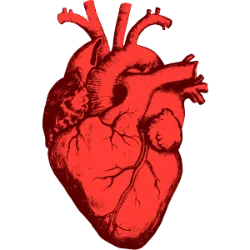
Identified in 1896 by French pediatrician Antoine Marfan, the syndrome results from a genetic mutation in chromosome 15, specifically in the fibrillin-1 gene, compromising the body's connective tissue. The syndrome can manifest itself in various parts of the body, being most frequent in the cardiovascular, musculoskeletal and ocular systems. The main consequences include: Cardiovascular, Musculoskeletal, Ocular, Pulmonary and Nervous systems. Although there is no cure for Marfan syndrome, early diagnosis and medical follow-up can improve the quality of life of those affected. It is recommended to undergo regular examinations, follow individualized treatments and avoid activities that may cause physical or emotional stress.