 ≡
≡
quiz
NutriFitProve your knowledge in the Arena
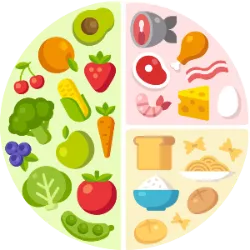
Training without energy is like running a car without fuel: you may move, but you won’t perform. Eating before a workout isn’t just about killing hunger; it’s about giving the right fuel to your body and brain.
When to Eat
30–60 min before: banana + coffee, yogurt + fruit, bread + jam
1h30–3h before: rice + chicken + vegetables, potato + eggs, simple pasta + lean protein
Carbohydrates for Energy
Carbs turn into glucose and provide energy for muscles and the brain.
Good options: banana, oats, whole-grain bread, rice, potato or sweet potato, fruits.
Avoid sweets and processed cakes, which cause a quick spike and sharp drop.
Protein Partners
Protein isn’t the main star, but it helps reduce muscle breakdown and support the body.
Good choices: eggs, yogurt, cottage cheese, whey protein. Combine with carbs for energy without discomfort.
What to Avoid
Fatty or heavy foods
Isolated simple sugars
Training fasted without adaptation
Mental Focus
Food also affects the brain: carbs sustain concentration, hydration maintains focus, and coffee or tea can help if you tolerate caffeine.
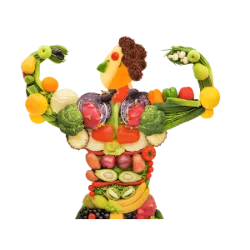
Training is only half the story. What you eat after your session is what really helps your body recover and grow. Eating well post-workout speeds up muscle repair, restores energy, and keeps your metabolism active.
Why It’s Important
When you train, your muscles suffer micro-tears. Proteins help repair these fibers, while carbohydrates replenish spent glycogen. Without this, your body takes longer to recover and fatigue lingers.
Ideal Combinations
Lean proteins: eggs, chicken, fish, yogurt, whey protein
Complex carbohydrates: rice, sweet potato, oats, fruits
Healthy fats (in small amounts): avocado, nuts, olive oil
Practical Tips
Try to eat within 60 minutes after your workout
Combine protein + carbs for fast recovery
Stay hydrated: water, coconut water, or light isotonic drinks
What to Avoid
Fatty or heavy fried foods
Excess simple sugars (sweets and sodas)
Recovering muscles isn’t just about eating more protein, it’s about giving your body the right fuel at the right time. With the right plate, your workout pays off and your body thanks you.















Discover some interesting facts about NutriFit
Six-Pack Made Simple

Understand What a “Six-Pack” Really Is
Abdominal muscle: can be strengthened with specific exercises.
Abdominal fat: covers the muscles; even with strong abs, it needs to be reduced to show.
In other words, it’s not just about doing crunches all day.
Strategic Nutrition
Moderate calorie deficit: burning more energy than you consume helps reduce fat.
Enough protein: eggs, chicken, fish, tofu — preserves muscle.
Healthy carbs and fats: provide energy for workouts and support hormones.
Avoid ultra-processed foods: reduce inflammation and belly fat.
Tip: small daily adjustments add up much more than extreme diets.
Smart Training
Strength training: maintains and builds muscle mass, boosts metabolism.
Ab exercises: planks, crunches, leg raises — strengthen the core.
Moderate cardio or HIIT: helps burn fat, but don’t overdo it.
The secret: combine strength + cardio + core, not just isolated abs.
Sleep and Hormones
Sleeping 7–9 hours regulates cortisol, leptin, and ghrelin — hormones that control hunger and fat storage.
Without sleep, even with diet and training, belly fat tends to remain.
Carbohydrates: Villains or Allies?

Carbohydrates are often seen as diet villains, but they are actually an essential source of energy and, when used wisely, help burn fat and improve workout performance.
Why Carbohydrates Are Important
Provide quick energy for muscles and the brain
Help maintain mood and focus
Aid post-workout recovery
Without carbohydrates, the body can experience fatigue, irritability, and even difficulty building muscle.
Types of Carbohydrates
Not all carbs are the same. Knowing the difference helps you make better choices:
Complex (good allies): brown rice, sweet potato, oats, quinoa, vegetables
Simple (consume in moderation): fruits, honey, naturally sweetened yogurt
Processed (villains): sweets, cakes, sodas, white bread
When to Eat Carbohydrates
Pre-workout: provide energy and maintain performance
Post-workout: replenish glycogen and speed recovery
Daily: complex carbs maintain stable energy
Practical Tips
Prefer whole grains most of the time
Combine with protein and healthy fats for satiety
Avoid excessive simple sugars, which cause quick spikes and energy crashes
Protein: Truth or Myth

Protein is often talked about in workouts and diets, but not everything you hear is true. Let’s separate myth from science and understand how it really helps the body.
Why It’s Important
Repairs and builds muscles after training
Increases satiety and helps control hunger
Plays a role in essential hormones and enzymes
Common Myths
More protein doesn’t mean more muscle – the body only uses what it needs
Not only people who work out need protein – anyone who is active does
Supplements are not mandatory – eggs, chicken, fish, and legumes are enough
What Science Says
Active adults: 1.2–2.0 g/kg of body weight per day
Spreading protein intake throughout the day improves absorption
Combining protein + carbohydrates post-workout speeds up recovery
Smart Sources
Animal: eggs, milk, yogurt, chicken, fish, lean meat
Plant-based: beans, lentils, chickpeas, tofu, quinoa
Supplements: whey, casein, or plant-based proteins (optional)
Practical Tips
Include protein in every meal
Choose whole foods before supplements
Adjust the amount according to age, weight, training, and goals
Protein is essential, but excess and myths can be misleading. The secret is the right amount, proper distribution, and variety. This way, muscles recover better, hunger decreases, and the body performs better.
Supplements: What Works

Supplements are everywhere and promise fast results, but not everything works as advertised. Science shows that only a few really make a difference — and always as a complement, never as a miracle.
What Really Works
Whey protein is a practical way to meet daily protein needs and helps muscle recovery, but it’s not better than real food.
Creatine is one of the most studied supplements: it improves strength, performance, and muscle gain when taken daily (3–5 g).
Caffeine increases focus and reduces fatigue, improving workout performance — as long as it’s used in moderation.
Omega-3 helps reduce inflammation, supports heart health, and improves muscle recovery.
Works, but Not Essential
BCAAs are unnecessary if you already consume enough protein.
Glutamine may help gut health and immunity, but has little impact on muscle gain.
What Doesn’t Deliver What It Promises
“Miracle” thermogenics don’t burn fat on their own.
Testosterone boosters have more marketing than real effects.
Collagen supports skin and joints, but does not build muscle.
Golden Rule
The foundation is nutrition, training, and sleep. Supplements only support the process. Fewer magic promises, more consistency — that’s what delivers results.
Caloric deficit

Calorie deficit happens when you burn more energy than you consume. In other words, your body uses both the food you eat and what is already stored (the famous body fat).
How This Works in Practice
Your body burns calories to breathe, think, walk, and train
Food provides energy
When intake is lower than expenditure, the body makes up the difference by using stored energy
It’s not punishment — it’s adaptation.
What a Calorie Deficit Is NOT
It’s not starving yourself
It’s not cutting all carbohydrates
It’s not doing endless hours of cardio
An extreme deficit may lead to fast weight loss… but it almost always comes at a cost later.
How to Create a Deficit Without Suffering
Here’s the key:
Adjust portions, don’t eliminate foods
Eat more protein and fiber (they increase satiety)
Drink water (a lot of hunger is actually hidden thirst)
Move more throughout the day
Small changes add up.
Deficit + Training = Better Results
Strength training helps preserve muscle
Cardio increases calorie burn
Both together work best
Without training, the body loses weight.
With training, it loses fat.
Sleep and Stress Matter Too
Poor sleep and high stress disrupt hunger signals, increase cravings for sugar, and make a calorie deficit harder to maintain.
HOME