betspot.zone logo
@Ailton de Assis - Mato Grosso, Brasil
🧠 Educational content • Interactive quizzes
Easter >> 

The Paschal Lamb

The Lamb in Easter

The figure of the lamb plays a central role in Easter in both traditions: Judaism and Christianity.
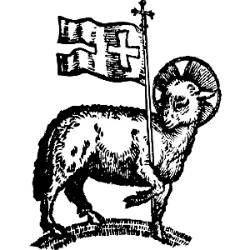
The Paschal Lamb
pngwing.com

The Lamb in the Old Testament

During the first Hebrew Passover:

A spotless lamb was sacrificed

Its blood was used to mark the doorposts of the houses

This sign protected families from the tenth plague: the death of the firstborn in Egypt

This act symbolized:

Divine protection

The beginning of liberation from slavery

A milestone still remembered today in Passover (Pessach)

Jesus as the Lamb of God

In the New Testament:

John the Baptist identifies Jesus as the “Lamb of God who takes away the sin of the world”

The comparison refers to the Passover lamb, now with a spiritual meaning

Jesus offers Himself as a voluntary sacrifice for the salvation of humanity

His death on the cross:

Replaces the old animal sacrifices

Offers definitive redemption

Connection Between the Old and New Covenant

The symbolism of the lamb establishes:

The link between God’s old covenant with Israel and the new covenant in Christ

Jesus as the true Passover Lamb, whose sacrifice brings:

Eternal life

Reconciliation with God

Sacrificial love that redefines the meaning of Easter


---publicity---
---article---


Those who liked The Paschal Lamb, also liked to explore EASTER

Explore more about Easter, celebrated in many parts of the world, is also recognized as a spring festival, with rituals and traditions that mark the beginning of the season, regardless of its religious origins. The festival has its roots in ancient pagan practices, when different cultures held ceremonies to celebrate the renewal of life and the rebirth of nature. For these people, spring represented fertility, prosperity and new cycles of growth.
These celebrations, often linked to earth worship, included dancing, singing and celebrations around bonfires. The hare and eggs, traditional symbols of Easter, originate from pagan mythologies, with the hare associated with fertility and the egg representing rebirth and the continuity of life.
Over time, these traditions were incorporated into Christianity, but the spirit of the spring festival remained. Today, Easter is a celebration of renewal and family togetherness, with outdoor festivals and the tradition of egg hunts. The name "Easter" in English comes from the Germanic goddess Eostre, who was associated with fertility. When the Germanic and Celtic peoples converted to Christianity, the rituals dedicated to Eostre merged with the celebration of the resurrection of Christ, maintaining customs such as the exchange of decorated eggs...

Easter, celebrated in many parts of the world, is also recognized as a spring festival, with rituals and traditions that mark the beginning of the season, regardless of its religious origins. The festival has its roots in ancient pagan practices, when different cultures held ceremonies to celebrate the renewal of life and the rebirth of nature. For these people, spring represented fertility, prosperity..


Love is not just a feeling; it - About GENERAL KNOWLEDGE

Explore more about Love is not just a feeling; it has a chemical basis in the brain. The most famous hormone associated with love is oxytocin, often called the “love hormone.” It is released during closeness, hugging, affection, and intimacy, strengthening emotional bonds and creating feelings of trust and attachment.
But how long does it take for the brain to fall in love? Studies show that intense attraction can begin in just a few minutes, with immediate physical and emotional responses, while deep, lasting attachment develops over weeks or months, as oxytocin, dopamine, and serotonin interact.
Speaking of dopamine, love activates the same areas of the brain as substances like cocaine and other stimulants. This explains why being in love creates euphoria, energy, and intense focus on the loved one, similar to the chemical effects of dopamine-releasing drugs — proving that passion is literally pure chemistry.
In short, love combines hormones, neurotransmitters, and brain reactions that make the emotional experience tangible and measurable, showing how deeply our hearts and brains are connected when it comes to passion and bonding...

Love is not just a feeling; it has a chemical basis in the brain. The most famous hormone associated with love is oxytocin, often called the “love hormone.” It is released during closeness, hugging, affection, and intimacy, strengthening emotional bonds and creating feelings of trust and attachment.
But how long does it take for the brain to fall in love? Studies show that intense attraction can..


The colors red, green and gold - About CHRISTMAS

Explore more about The colors red, green and gold associated with Christmas have symbolic meanings. Red is linked to the blood of Christ and the clothing of Saint Nicholas. Green symbolizes the renewal of life and is associated with decorating Christmas trees. Gold represents the star that guided the Three Wise Men to Jesus and is used to add shine and richness to Christmas decorations. These colors play an important role in creating the festive atmosphere of Christmas...

The colors red, green and gold associated with Christmas have symbolic meanings. Red is linked to the blood of Christ and the clothing of Saint Nicholas. Green symbolizes the renewal of life and is associated with decorating Christmas trees. Gold represents the star that guided the Three Wise Men to Jesus and is used to add shine and richness to Christmas decorations. These colors play an important..

publicity


Those who liked The Paschal Lamb, also liked to explore ACADEMIC

Explore more about A humanized landscape is one that results from human action on the natural environment.
Characteristics of a humanized landscape:
It is composed of elements that:
🏗️ have been built or modified by humans.
🌿 replace or alter natural elements.
🌆 reflect the organization of human activities in space.
How is it formed?
A humanized landscape is created through actions such as:
construction of buildings and cities.
building roads and bridges.
agriculture and land use.
destruction or alteration of natural habitats.
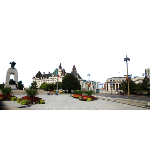
🌍 Natural vs. humanized landscape.
🌿 Natural: no human intervention.
🏙️ Humanized: modified by humans.
Other names:
A humanized landscape can also be called:
🏙️ urban landscape.
🎭 cultural landscape...

A humanized landscape is one that results from human action on the natural environment.
Characteristics of a humanized landscape:
It is composed of elements that:
🏗️ have been built or modified by humans.
🌿 replace or alter natural elements.
🌆 reflect the organization of human activities in space.
How is it formed?
A humanized landscape is created..


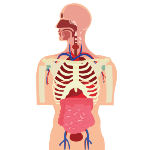
Reproduction is the biological - About ACADEMIC

Explore more about Reproduction is the biological function responsible for ensuring the continuity of life in all living beings.
Reproduction in humans:
In humans, reproduction is sexual, meaning:
it occurs through the union of two sex cells:
🧬 female: oocyte.
🧬 male: sperm cell.
from this union, a new human being is formed.
How is sex identified at birth?
At birth, a baby’s sex is identified by observing the genital organs.
These organs are called:
Primary sexual characteristics:
They are the reproductive organs present from birth:
male: penis.
female: vagina.
Body changes during growth.
As time passes, especially during adolescence, the body undergoes external transformations.
These changes are called:
Secondary sexual characteristics:
They are not directly related to reproductive organs, but help distinguish boys and girls.
Examples:
hair growth.
voice change.
breast development.
changes in body structure...

Reproduction is the biological function responsible for ensuring the continuity of life in all living beings.
Reproduction in humans:
In humans, reproduction is sexual, meaning:
it occurs through the union of two sex cells:
🧬 female: oocyte.
🧬 male: sperm cell.
from this union, a new human being is formed.
How is sex identified at birth?
At birth,..


Adolescence begins with pubert - About ACADEMIC

Explore more about Adolescence begins with puberty, a stage of major changes in both the body and the mind.
When does puberty start?
👧 Girls: between 8 and 14 years old.
👦 Boys: between 9 and 15 years old.
What changes during this stage?
Puberty involves not only physical changes but also:
🧠 Psychological changes (emotions and behavior).
🤝 Social and relational changes (how people interact with others).
🧍‍♂️ Physical changes (transformations in the body).
The role of hormones:
During this stage, hormones become active. They act as the body’s “chemical messengers”:
👦 Testosterone (in boys).
👧 Estrogen and progesterone (in girls).
In childhood, these hormones are mostly inactive, but during puberty they become highly active.
What do hormones do?
They are responsible for:
activating secondary sexual characteristics.
shaping adult physical traits.
causing changes in body appearance and structure.
Acne during adolescence:
During adolescence, it is common to develop:
Acne (skin pimples).
This happens because:
there is an increase in sebum (skin oil) production.
sebaceous glands become more active.
pores can become blocked and inflamed...

Adolescence begins with puberty, a stage of major changes in both the body and the mind.
When does puberty start?
👧 Girls: between 8 and 14 years old.
👦 Boys: between 9 and 15 years old.
What changes during this stage?
Puberty involves not only physical changes but also:
🧠 Psychological changes (emotions and behavior).
🤝 Social and relational changes..


The third day of competition T - About WORLD CUP

Explore more about The third day of competition
The third day of the 2026 World Cup features four important matches spread across the West and East Coasts of the United States and Canada. With debuts and direct clashes, teams begin to feel the pressure of the group stage.

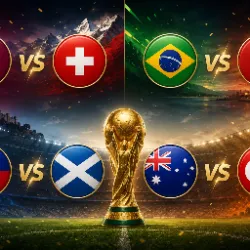
Qatar vs Switzerland (Group B)
Santa Clara – 12:00 PT

Qatar looks to surprise with defensive organization and quick counterattacks.
Switzerland relies on consistency and control of the game.

How it will be
Likely Swiss dominance, with Qatar looking for space on the break.

Brazil vs Morocco (Group C)
New York / New Jersey – 18:00 ET

Brazil aims to impose possession and attacking creativity.
Morocco relies on defensive solidity and fast transitions.

How it will be
Brazil should control more of the game, while Morocco remains dangerous on counters.

Haiti vs Scotland (Group C)
Boston – 21:00 ET

Haiti plays with physical intensity and high pace.
Scotland relies on organization and collective experience.

How it will be
A balanced and physical match, likely decided by small details.

Australia vs Turkey (Group D)
Vancouver – 21:00 PT

Australia relies on strength and direct play.
Turkey brings more technical quality and attacking variation.

How it will be
A balanced clash with strong midfield battles.

End of the day
A day marked by balance and contrasting styles, with matches likely decided by fine margins...

The third day of competition
The third day of the 2026 World Cup features four important matches spread across the West and East Coasts of the United States and Canada. With debuts and direct clashes, teams begin to feel the pressure of the group stage.
Qatar vs Switzerland (Group B)
Santa Clara – 12:00 PT
Qatar looks to surprise with defensive organization and quick..


The fourth day of the competit - About WORLD CUP

Explore more about The fourth day of the competition
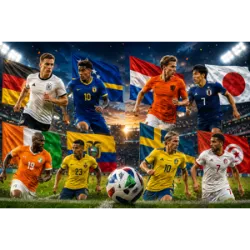
The fourth day of the 2026 World Cup brings traditional national teams and title contenders onto the field, as well as teams looking to cause surprises right from their opening matches. With games across the United States and Mexico, the round promises contrasting playing styles, balance, and great anticipation.

Alemania vs. Curaçau (Grupo E)
Houston, Texas – 12:00 (CDT)
Germany enters as the favorite, with strong tactical organization, defensive intensity, and technical quality across all areas of the pitch.
Curaçao relies on a compact defense and quick counter-attacks in an attempt to cause an upset.
How it will be:
Germany is expected to dominate possession and control the tempo, while Curaçao looks for space in quick transitions.

Netherlands vs. Japón (Grupo F)
Arlington/Dallas, Texas – 15:00 (CDT)
The Netherlands rely on possession, creativity, and strong attacking presence.
Japan focuses on tactical discipline, speed, and quick transitions.
How it will be:
A technical and intense matchup, with Dutch control of possession and Japan dangerous on counter-attacks.

Costa do Marfim vs. Equador (Grupo E)
Filadélfia, Pensilvânia – 19:00 (EDT)
Ivory Coast relies on physical strength, speed, and intensity.
Ecuador is balanced, with solid defense and quick counter-attacks.
How it will be:
A balanced match, fought in midfield and likely decided by fine margins.

Suécia vs. Tunísia (Grupo F)
Monterrey, México – 21:00 (CDT)
Sweden relies on organization, experience, and aerial strength.
Tunisia brings intensity, strong pressing, and speed.
How it will be:
A physical and balanced match, with Sweden slightly controlling phases of play and Tunisia dangerous in transitions.

End of the day:
The fourth day features balanced matches, favorites, and potential surprises. With different playing styles and tactical battles, the round promises excitement and could have a direct impact on Groups E and F...

The fourth day of the competition
The fourth day of the 2026 World Cup brings traditional national teams and title contenders onto the field, as well as teams looking to cause surprises right from their opening matches. With games across the United States and Mexico, the round promises contrasting playing styles, balance, and great anticipation.
Alemania vs. Curaçau (Grupo E)
Houston,..


The tournament gains momentum - About WORLD CUP

Explore more about The tournament gains momentum
After the opening day of the 2026 World Cup, the second day of competition shifts attention to two host nations making their tournament debuts in front of home fans.

The first results begin to shape the groups and increase the pressure for a positive start to the competition.

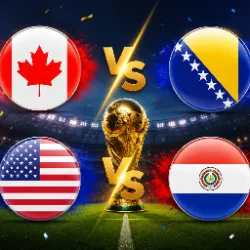
Canada vs Bosnia and Herzegovina (Group B)
BMO Field – Toronto

Host nation debut

Canada begins its campaign surrounded by high expectations and backed by strong local support.

The team is expected to play with intensity from the opening minutes, seeking to control possession and apply pressure in the attacking half.

Bosnia and Herzegovina arrives motivated after a strong qualifying campaign and will rely on the experience of its key players to challenge the hosts.

United States vs Paraguay (Group D)

Home pressure

The United States enters the match in front of a large crowd and carries the responsibility of starting the tournament with a positive result.

The team is expected to rely on pace on the wings and quick transitions to create opportunities.

Paraguay will count on its traditional defensive organization and competitive spirit, making this a potentially unpredictable contest.

How it went
(This section will be updated after the matches.)

Canada vs Bosnia and Herzegovina
How it went: Canada drew 1-1 with Bosnia and Herzegovina in its opening match of the 2026 World Cup in Toronto.

Bosnia and Herzegovina opened the scoring in the 21st minute through Jovo Lukic, who took advantage of a set-piece situation to put his team ahead.

United States vs Paraguay
How it went: The match featured moments of balance and intensity, with the United States trying to dictate the tempo of play.

Paraguay remained competitive throughout the contest and made it difficult for the hosts to create clear chances.
..

The tournament gains momentum
After the opening day of the 2026 World Cup, the second day of competition shifts attention to two host nations making their tournament debuts in front of home fans.
The first results begin to shape the groups and increase the pressure for a positive start to the competition.
Canada vs Bosnia and Herzegovina (Group B)
BMO Field – Toronto
Host..


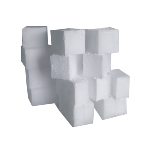
Carbon dioxide (CO₂) is a gas - About ACADEMIC

Explore more about Carbon dioxide (CO₂) is a gas that can change its state under specific temperature and pressure conditions.
Formation of dry ice:
When CO₂ is cooled below:
❄️ −78 °C
it solidifies and becomes known as:
🧊 dry ice
What happens when dry ice is heated?
At normal atmospheric pressure:
dry ice does not become liquid.
it changes directly from solid to gas.
This process is called:
Sublimation.
When does CO₂ become liquid?
For CO₂ to become liquid, it requires:
pressure greater than 5 atmospheres.
White cloud effect.
When warm air comes into contact with dry ice:
CO₂ gas is rapidly released.
a dense white cloud forms near the ground.
👉 This effect is widely used in theaters and special effects.
Sublimation temperature:
CO₂ sublimates at:
194.7 K.
−78.5 °C.
−109.2 °F.
(at Earth’s atmospheric pressure).
Important precautions:
Dry ice requires care because:
it can cause cold burns on direct contact.
it should not be handled without protection.
Risks in enclosed spaces.
Although CO₂ is not highly toxic:
it can accumulate in closed environments.
it may cause hypercapnia (excess CO₂ in the blood).
this can affect breathing and health...

Carbon dioxide (CO₂) is a gas that can change its state under specific temperature and pressure conditions.
Formation of dry ice:
When CO₂ is cooled below:
❄️ −78 °C
it solidifies and becomes known as:
🧊 dry ice
What happens when dry ice is heated?
At normal atmospheric pressure:
dry ice does not become liquid.
it changes directly from solid..


Start of the 2026 World Cup Th - About WORLD CUP

Explore more about Start of the 2026 World Cup
The 2026 World Cup opens a historic edition featuring 48 national teams and matches spread across multiple host countries.
Day 1 brings global attention with the opening ceremony and the first group-stage matches, officially marking the start of the tournament.

Opening ceremony
The opening ceremony marks the symbolic beginning of the tournament, featuring a spectacle focused on the culture of the host nations and a global celebration of football.
The show typically includes music, dance, and large-scale visual performances, setting the atmosphere for the first match of the competition.

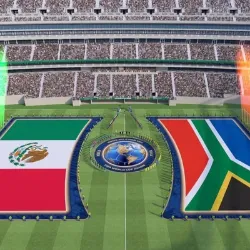
Mexico vs South Africa (Group A)
Estadio Azteca – Mexico City
Opening match
Mexico enters under strong pressure and massive home support, which is expected to drive an aggressive attacking approach from the start.
The team should aim to control possession and impose high intensity in the attacking half.
South Africa is expected to adopt a more reactive strategy, focusing on defensive organization and fast counter-attacks.

South Korea vs Czech Republic (Group B)
Balanced matchup
South Korea is expected to rely on high intensity, wide play, and strong tactical discipline.
The Czech Republic will likely focus on midfield balance, aerial strength, and quick transitional play.
The match is expected to be highly competitive, with small margins deciding the outcome.

How it went
(This section will be updated after the matches and the opening ceremony.)

Opening ceremony
How it went: The opening ceremony marked the official start of the 2026 World Cup with a cultural showcase celebrating unity among nations.
The event combined music, dance, and high-impact visual elements, creating the perfect atmosphere for kickoff.

Mexico vs South Africa
How it went: The match started at high intensity, with Mexico pushing forward aggressively in front of their home crowd.
South Africa responded with solid defensive organization and managed to balance the game at several stages.

South Korea vs Czech Republic
How it went: The match was defined by intensity and balance, with both teams alternating periods of control throughout the game...

Start of the 2026 World Cup
The 2026 World Cup opens a historic edition featuring 48 national teams and matches spread across multiple host countries.
Day 1 brings global attention with the opening ceremony and the first group-stage matches, officially marking the start of the tournament.
Opening ceremony
The opening ceremony marks the symbolic beginning of the tournament,..


The planet Earth is made up of - About ACADEMIC

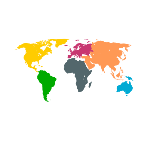
Explore more about The planet Earth is made up of six large continents, which are vast landmasses surrounded by oceans and seas.
These continents are:
🌎 America.
🌍 Africa.
🌍 Europe.
🌏 Asia.
🌏 Oceania.
❄️ Antarctica.
Relationship with oceans:
The continents are surrounded by:
oceans.
seas.
and areas such as the continental shelf, which extends under the water.
Characteristics of each continent:
🌍 Africa:
partly located in the Southern Hemisphere.
considered the 3rd largest continent.
has great diversity of landscapes and cultures.
🌎 America:
located entirely in the Western Hemisphere.
is the 2nd largest continent on Earth.
🌏 Asia:
located in the Eastern Hemisphere.
mostly in the Northern Hemisphere.
is the largest continent in both area and population.
🌍 Europe:
has about 50 countries.
is the 2nd smallest continent in size.
🌏 Oceania:
located in the Southern and Western Hemispheres.
is the smallest continent in area.
also has the smallest population.
❄️ Antarctica:
located at the South Pole.
has no permanent population.
mostly covered by ice throughout the year...

The planet Earth is made up of six large continents, which are vast landmasses surrounded by oceans and seas.
These continents are:
🌎 America.
🌍 Africa.
🌍 Europe.
🌏 Asia.
🌏 Oceania.
❄️ Antarctica.
Relationship with oceans:
The continents are surrounded by:
oceans.
seas.
and areas such as the continental shelf, which extends..


A natural landscape is formed - About ACADEMIC

Explore more about A natural landscape is formed by all elements of a space that exist without direct human interference.
Characteristics of natural landscapes:
It is composed of elements that:
🌱 have not been modified by humans.
🌄 exist naturally in the environment.
🌊 are part of the planet’s natural processes.
Examples of natural landscapes:
We can observe natural landscapes in:
🌳 forests.
🏜️ deserts.
🌋 volcanic areas.
🏔️ mountains.
🌊 rivers and oceans.
What is NOT a natural landscape?
When there is human interference, the landscape is no longer considered natural.
Examples:
🏙️ cities.
🛣️ roads.
🌾 plantations.
🏗️ buildings...

A natural landscape is formed by all elements of a space that exist without direct human interference.
Characteristics of natural landscapes:
It is composed of elements that:
🌱 have not been modified by humans.
🌄 exist naturally in the environment.
🌊 are part of the planet’s natural processes.
Examples of natural landscapes:
We can observe natural..

---publicity---
Betspot.zone is a fun quizzes and games site — not related to gambling or betting.