 ≡
≡
quiz
Country FlagsProve your knowledge in the Arena
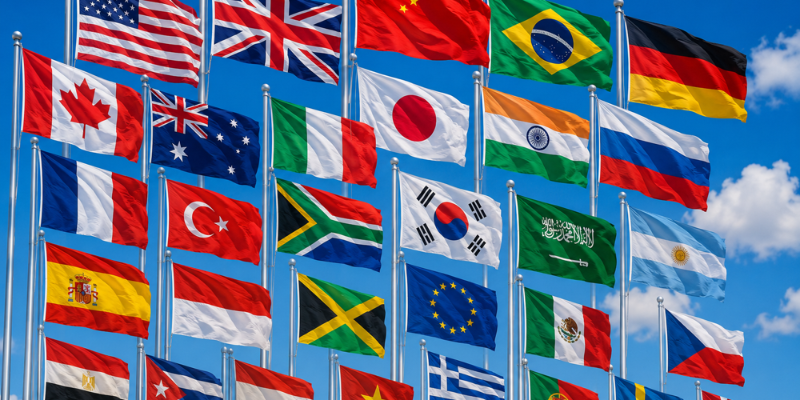
Flags of the World: Would you recognize the entire planet?
Brazil, Japan, France… you know some. But that's not enough. In a world full of colors, symbols, and stories, it's the details that reveal who truly masters the flags.
Why test your knowledge?
Testing your knowledge improves memory, quick thinking, and the ability to make associations, as well as being a fun way to learn while competing with other people.
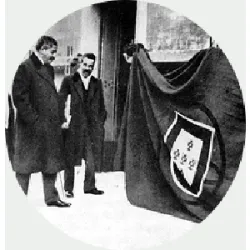
The first flags appeared thousands of years ago in the ancient civilizations of China, Egypt, and the Roman Empire.
What were they used for?
They had practical functions, especially during wars and battles:
Identify armies on the battlefield
Show the position of kings and commanders
Differentiate allies from enemies
Serve as a symbol of power and authority
How were the first flags?
The earliest versions were different from today’s flags:
Made from fabric, leather, or metal
Attached to spears and poles
Decorated with animals, religious symbols, or kingdom colors
Historical curiosity
The Romans used standards called “vexillum”, considered ancestors of modern flags.
The word vexillology, the study of flags, originated from this name.
Evolution of flags
Over time, they stopped being only military symbols and started to represent:
Countries
Kingdoms
Peoples
Religions
National identity
Today, almost every country has an official flag with colors and symbols full of meaning.
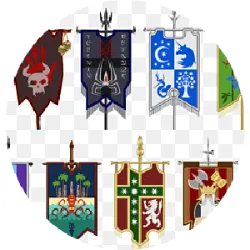
During the Middle Ages, flags stopped being only military symbols and started to represent:
Kingdoms
Noble families
Armies
Ships
Territories
Why were they important?
Flags helped with visual identification during a period marked by many wars and territorial disputes.
They were used to:
Identify ships at sea
Show the origin of a kingdom
Represent authority and power
Differentiate allies from enemies
Demonstrate wealth and prestige
The role of the Age of Exploration
During the 15th and 16th centuries, maritime countries such as Portugal, Spain, and United Kingdom helped spread the use of flags around the world.
Ships used flags to:
Identify their country of origin
Facilitate trade alliances
Avoid attacks from allied ships
Demonstrate maritime dominance
Historical curiosity
Portuguese ships often carried religious symbols on their flags, reflecting the strong influence of Christianity during the Age of Exploration.
How did this influence modern flags?
With the growth of maritime trade and exploration, flags officially began to represent countries, giving rise to the modern national flags we know today.










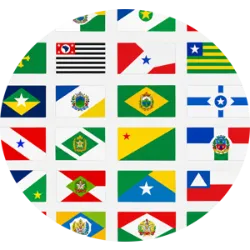



Discover some interesting facts about Country Flags
translate this: A bandeira da Dinamarca, conhecida como “Dannebrog”
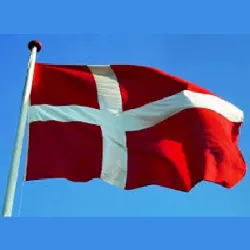
The flag of Denmark, known as “Dannebrog”, is considered the oldest national flag still continuously used in the world.
What does Dannebrog mean?
The name “Dannebrog” can be translated as:
“The flag of the Danes”
It has a red background with a white cross, a design that inspired other Nordic flags.
The legend of its origin
According to an ancient legend, the flag fell from the sky during a battle in 1219.
The event supposedly happened in Estonia during a war led by the King of Denmark.
According to the story:
The Danish army was losing the battle
Religious leaders began praying for help
A red flag with a white cross appeared in the sky
After that, the army regained strength and won
Historical curiosity
Although the story is considered legendary, the Dannebrog became one of Denmark’s greatest national symbols.
The cross on the flag also influenced countries such as:
Sweden
Norway
Finland
Iceland
Why is it so important?
The Dannebrog represents:
Tradition
National identity
Medieval history
Pride of the Danish people
To this day, it is widely used in celebrations, public events, and special dates in Denmark.
How did many modern flags come about?
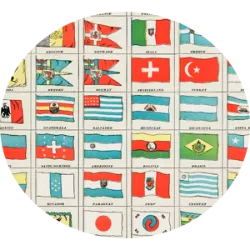
Many modern national flags were created during independence movements around the world.
In Latin America, several flags emerged during the 19th century in the struggles against European colonial rule.
Countries that created flags during this period
Mexico
Argentina
Chile
Why were new flags created?
The new nations needed symbols that represented:
Freedom
Independence
Unity of the people
National identity
The end of colonial rule
The meaning of the flags
Each flag began to carry important historical and cultural elements.
Examples:
The flag of Mexico includes an eagle on a cactus, a symbol connected to the Aztec origin of the country.
The flag of Argentina uses blue and white, colors associated with the independence movement.
The flag of Chile represents freedom and honor, with a white star symbolizing unity.
Historical curiosity
During the wars of independence, flags were used to inspire soldiers and strengthen patriotic feelings.
They helped unite different groups around the same cause.
How did this influence the world?
The independence movements in Latin America inspired other countries to create their own national flags.
Over time, flags became one of the greatest symbols of sovereignty and national identity.
What is vexillology?
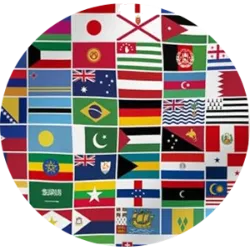
The study of flags has an official name: vexillology.
This field is responsible for analyzing the history, symbols, and meanings of flags around the world.
What do specialists study?
Vexillology experts analyze:
Colors
Symbols
Shapes and formats
History
Cultural meanings
Political and national representation
Where does the name “vexillology” come from?
The word comes from the Roman term “vexillum”, the name given to the standards used by the Roman army.
Over time, the term became associated with the study of flags.
Countries frequently studied in vexillology
India
France
United States
Why are these flags famous?
The flag of India contains symbols connected to spirituality and progress.
The flag of France became known as a symbol of freedom and the French Revolution.
The flag of the United States represents the country’s states through its stars.
Historical curiosity
Vexillology became a recognized field of study during the 20th century, bringing together historians, designers, and cultural scholars.
Why is vexillology important?
It helps people understand:
The history of countries
Political movements
Wars and independence movements
Cultures and traditions
The national identity of different peoples
Today, vexillology is studied in books, museums, and associations specialized in flags from all over the world.
The single flag of Nepal
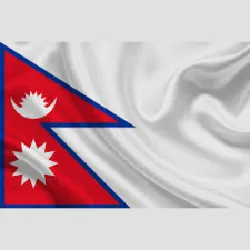
The flag of Nepal is the only national flag in the world that does not have a rectangular or square shape.
It is formed by two overlapping triangles, making its design unique among all countries.
What do the triangles represent?
The two triangles symbolize:
The Himalayan mountains
The country’s two main religions
Hinduism
Buddhism
The colors of the flag
The flag mainly uses:
Red
Blue
Red represents courage and is also Nepal’s national color.
Blue symbolizes peace and harmony.
The symbols on the flag
The flag contains white symbols representing:
The sun
The moon
These elements symbolize the hope that Nepal will exist for as long as the Sun and Moon endure.
Historical curiosity
The unusual shape of Nepal’s flag comes from ancient banners used by Nepalese dynasties.
Even after the country modernized, the traditional design was preserved.
Why is it so famous?
Nepal’s flag became world famous because of:
Its unusual shape
Its strong cultural and religious meaning
Its representation of the country’s historical identity
Being completely different from all other national flags
Flags of Monaco and Indonesia
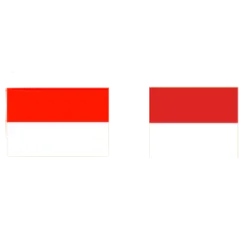
The flags of Monaco and Indonesia are almost identical at first glance.
Both use only two colors: red and white.
What is the difference between them?
The main difference is in the proportions of the design:
Monaco’s flag is slightly more square-shaped
Indonesia’s flag is longer and more rectangular
Why are they so similar?
The similarity is mainly a coincidence in design history.
Both flags use red and white because these colors have deep cultural and historical meanings in each country:
Red often represents courage or bravery
White symbolizes purity and peace
Historical curiosity
The flag of Indonesia is also very similar to the flag of Singapore, which reverses the number of stars and uses additional elements.
Monaco’s flag, on the other hand, is one of the simplest national flags in the world.
Why does this matter?
Even though they look alike, each flag represents a completely different national identity, history, and culture.
HOME