 ≡
≡
quiz
Movie SoundtracksProve your knowledge in the Arena
What would a movie be without its soundtrack?
The soundtrack adds emotion to the film, intensifies feelings, and transforms the narrative into a memorable and unforgettable experience.
Why test your knowledge?
Testing your knowledge improves memory, quick thinking, and the ability to make associations, as well as being a fun way to learn while competing with other people.
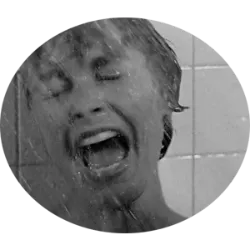
In the most famous scene of Psycho — the shower murder — director Alfred Hitchcock wanted complete silence, with no soundtrack.
But composer Bernard Herrmann disagreed and composed an experimental piece for the sequence anyway.
What did Herrmann do?
Used only string instruments, mainly violins.
Created extremely high-pitched, sharp, repetitive sounds.
Made the violins “scream,” imitating a feeling of shock and panic.
Result: that iconic “iiiii! iiii!” sound became one of the most recognizable musical effects in cinema history.
Why does it work so well?
The music:
✅ increases the sense of dange.r
✅ heightens the audience’s anxiety.
✅ makes the violence feel more intense (even without showing much blood).
Interestingly, the scene shows less than people remember — the brain fills in the horror, and the soundtrack helps make that happen.
Hitchcock’s change of mind: After hearing the finished composition, Hitchcock changed his mind and admitted that the music made a huge difference in the suspense.
There are reports that he even said the film owed a large part of its impact to Herrmann’s score.

What makes the theme so famous?
In the Jaws soundtrack, composer John Williams created one of the most iconic themes in cinema using something extremely simple:
👉 just two repeating notes.
How does the music work?
The notes are played in a slow, increasing rhythm.
The repetition creates a sense of approach.
The brain interprets it as something inevitable moving toward danger Even without showing the shark, the music makes you “feel” it coming.
The film crew’s reaction:
When they heard it for the first time:
Many thought it was a joke.
It seemed too simple for a horror film.
Some doubted it would work on screen.
But they were wrong.
Why does it work so well?
The soundtrack:
✅ builds tension with minimal sound information.
✅ triggers the brain’s alert instinct.
✅ turns silence into anxiety.
✅ makes the audience “imagine” the danger.
The secret of its impact:
Fear does not come from complexity — it comes from expectation.
The more repetitive and simple it is, the more the brain tries to predict what will happen… and the more tension it creates.














Discover some interesting facts about Movie Soundtracks
Hidden Musical Signatures

In The Lord of the Rings: The Fellowship of the Ring, composer Howard Shore created an extremely detailed musical system called leitmotifs (recurring musical themes).
👉 Every people, place, and character has its own “musical signature.”
What are these signatures?
Small musical themes linked to specific ideas.
Repeated throughout the film in different forms.
Adapted as the story evolves.
Example: the same theme can sound light at first and later become darker or more epic.
Examples in the film:
🏡 Shire (hobbits) → calm, simple, pastoral music.
🏰 Rivendell (elves) → ethereal, flowing, harmonious sound.
🌋 Mordor → heavy tones, dark choirs, constant tension.
Each culture has its own identity even without dialogue.
How does this affect the viewer?
Even without consciously noticing:
you recognize who is on screen through the music.
you feel emotional shifts automatically.
you understand narrative relationships without words.
The music “tells part of the story by itself.”
Howard Shore’s trick:
reuses themes in different contexts.
blends elements to show conflict or alliances.
turns music into a continuous narrative language.
HOME